How to brief interior design services before a luxury villa renovation
A villa owner may be comparing renders while a contractor asks what sits inside the ceiling void. The real decision is what the interior design services must deliver before demolition, procurement, and site work begin.
What should a luxury villa owner include in an interior design services brief?
A luxury villa renovation brief should define use, constraints, retained items, budget, deadlines, and approval authority before taste. It becomes the control document for fees, drawings, procurement, samples, site coordination, and changes.
The owner’s briefing packet should make the villa measurable
- Occupancy and lifestyle: list residents, guests, staff routines, pets, accessibility needs, privacy zones, entertaining, outdoor dining, cinema rooms, music rooms, and guest circulation.
- Property use: state whether the villa is a primary home, holiday property, rental investment, or multigenerational residence.
- Must-keep items: identify marble floors, staircases, chandeliers, carved doors, kitchens, wardrobes, sanitaryware, artwork, and inherited furniture.
- Budget bands: separate construction, joinery, furniture, decorative lighting, appliances, consultant fees, approvals, tax, contingency, freight, storage, and temporary accommodation.
- Decision authority: name who approves drawings, samples, substitutions, extra costs, and programme changes.
Professional interior design is not only decoration. ASID identifies itself as a professional association for interior designers, and NYSID notes that interior design standards evolved as the discipline became tied to successful, functional spaces.
Retained stone, wet areas, and lighting need early rules. The Natural Stone Institute warns that abrasive scouring powders or creams can scratch natural stone. ENERGY STAR states that qualified LED lighting uses at least 75 percent less energy and lasts up to 25 times longer than incandescent lighting where applicable. The EPA advises fixing damp spots promptly to prevent mold growth.
Interior design services for a villa should be scoped by deliverables, not mood boards
Interior design services for a high-end villa should be priced against named outputs: concept direction, room layouts, detailed drawings, finish schedules, FF&E specifications, procurement tasks, and site coordination limits. A mood board cannot tell a contractor where the vanity light, floor waste, stone joint, or wardrobe socket belongs.
A villa scope should list drawings room by room
The proposal should state which rooms receive general arrangement plans, reflected ceiling plans, lighting layouts, electrical layouts, elevations, sections, bathroom drawings, tile setting-out, kitchen details, and joinery drawings. It should also say which drawings are suitable for contractor pricing and which require later shop drawings.
FF&E schedules should record item code, room, supplier, dimensions, quantity, finish, fabric, lead time, price status, and approval status. Finish schedules should record floor, wall, ceiling, stone, timber, paint, wallcovering, tile, sanitaryware, hardware, substrate, edge detail, and maintenance notes. Specialist rooms may need acoustic, AV, and lighting coordination similar to engineering acoustically considered private music rooms.
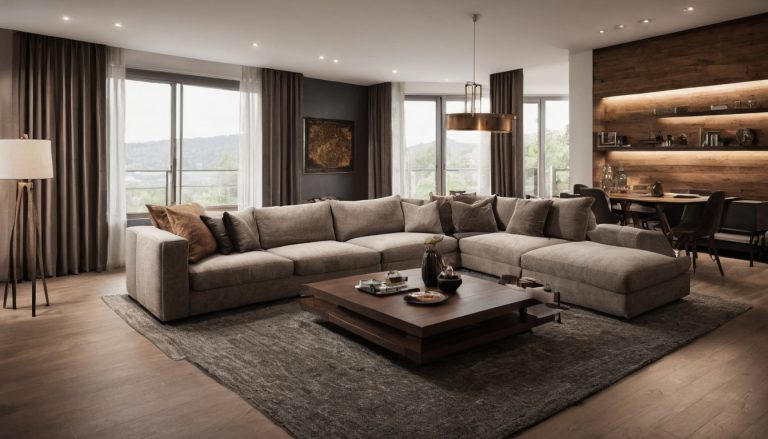
Interior design services for a villa should be scoped by deliverables, not mood boards shown as a planning reference for layout, scale, and material decisions.
What documents should owners prepare before searching for interior designers near me?
Before searching for interior designers near me or house designers near me, a villa owner should prepare existing drawings, photos, survey information, service locations, community rules, preferred suppliers, and deadline drivers. Designers price more accurately when they understand the real building.
Existing villa information should expose constraints
Useful existing-condition information includes architectural plans, ceiling heights, room dimensions, window and door positions, drainage points, electrical boards, HVAC equipment, water heaters, cracks, leaks, and damp patches. Approval information should include title or tenancy restrictions, community rules, contractor registration, working hours, delivery access, waste removal, and any authority process for structural, façade, or service changes.
How should a villa owner compare interior design services proposals beyond style images?
A villa owner should compare interior design services proposals by scope clarity, fee structure, procurement terms, consultant coordination, revision limits, site-visit allowance, and exclusions. Style images show taste compatibility; proposal terms show whether the designer can control documentation, cost exposure, and contractor communication.
Interior design fee models should be compared using the same scope
Residential design fees are commonly fixed fee, hourly fee, percentage of construction cost, percentage of FF&E spend, procurement markup, retained supplier discount, or hybrid. Procurement terms should state whether purchasing, order tracking, warehousing, delivery checks, installation, and defect follow-up are included.
- Joinery details excluded: wardrobes, vanities, bars, panels, and display units may need extra drawings or shop-drawing review.
- Lighting design excluded: reflected ceiling plans, dimming groups, drivers, and control coordination may shift to the contractor.
- Procurement excluded: the owner may inherit deposits, lead times, substitutions, freight, storage, and damage claims.
- Indoor air planning ignored: the EPA recommends increased ventilation during use of VOC-emitting products.
Searches for local designers should test supplier access as well as taste. For furniture, ask how the designer records provenance and construction details before buying classic furniture.
A luxury villa renovation programme should sequence design approvals before procurement and site work
A luxury villa renovation should approve coordinated design decisions before construction and procurement start. The practical sequence is survey, concept, budget alignment, developed design, technical drawings, contractor pricing, samples, long-lead orders, site works, installation, snagging, and handover.
Ceilings, services, joinery, and stone should not be decided in isolation
Air-conditioning grilles, lighting circuits, AV routes, smart controls, ceiling levels, and wet-area drainage affect what the owner finally sees. A late duct, dimmer, or floor waste decision can force ceiling drops, wall chasing, tile changes, and revised joinery.
Bespoke joinery and stone need drawings, site measurement, shop drawings, slab or veneer approval, edge details, hardware choices, fabrication time, and installation tolerance. The FF&E procurement log should track approvals, deposits, production, shipping, delivery, installation, warranty, and substitutions.
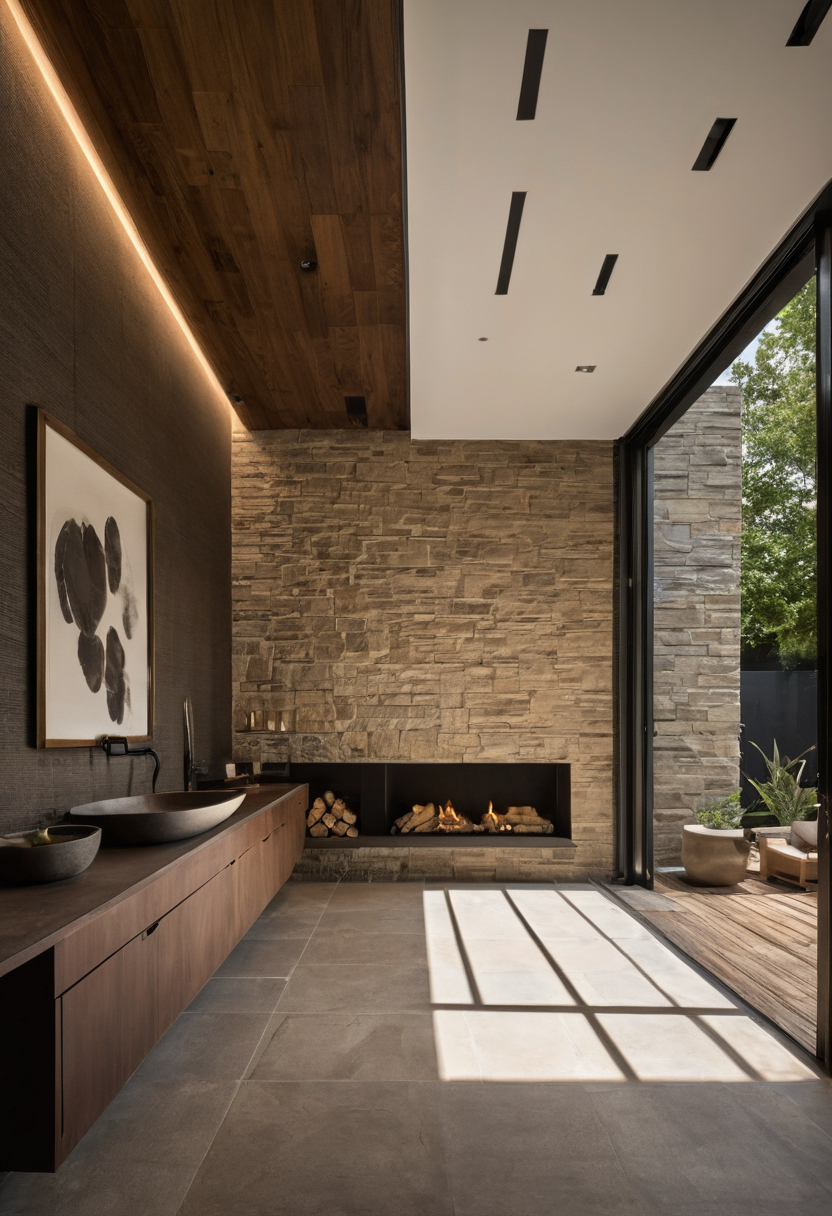
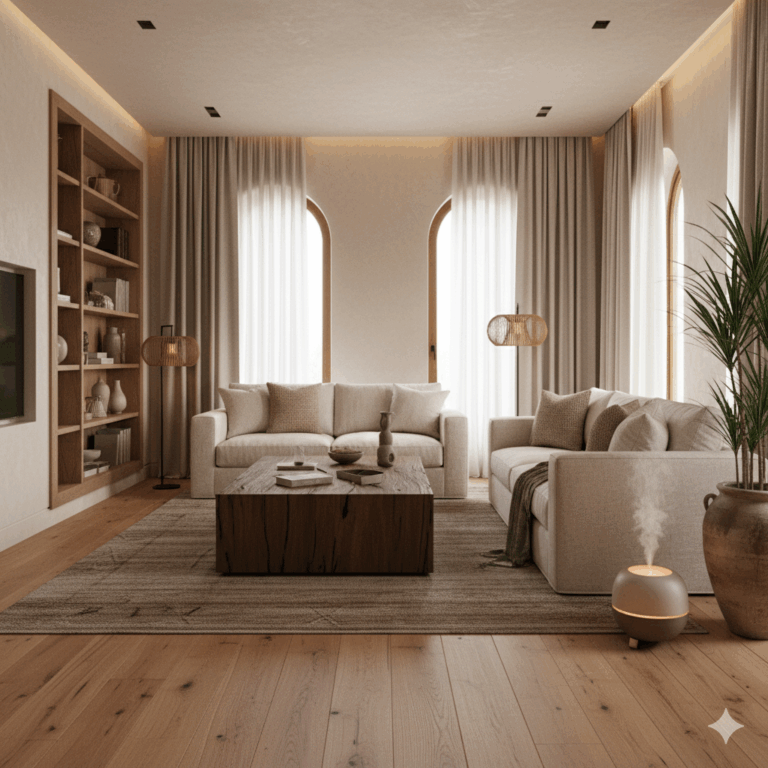
A luxury villa renovation programme should sequence design approvals before procurement and site work shown with finish, fixture, and clearance relationships visible.
Home interior ideas become useful only when converted into specifications and samples
Home interior ideas are useful in a villa renovation only when translated into dimensions, materials, finishes, suppliers, tolerances, cleaning requirements, lighting performance, and budget effect. A sample board is a small physical contract between taste and execution.
Samples should test use, climate, cleaning, and replacement risk
Material selections should be judged by stone porosity, veneer movement, lacquer repair, fabric wear, UV exposure, humidity, salt air, sand, and cleaning routines. The EPA identifies paints, varnishes, waxes, cleaning products, building materials, and furnishings as common indoor VOC sources. The Natural Stone Institute recommends neutral cleaners, stone soap, or mild liquid dishwashing detergent with warm water for natural stone care.
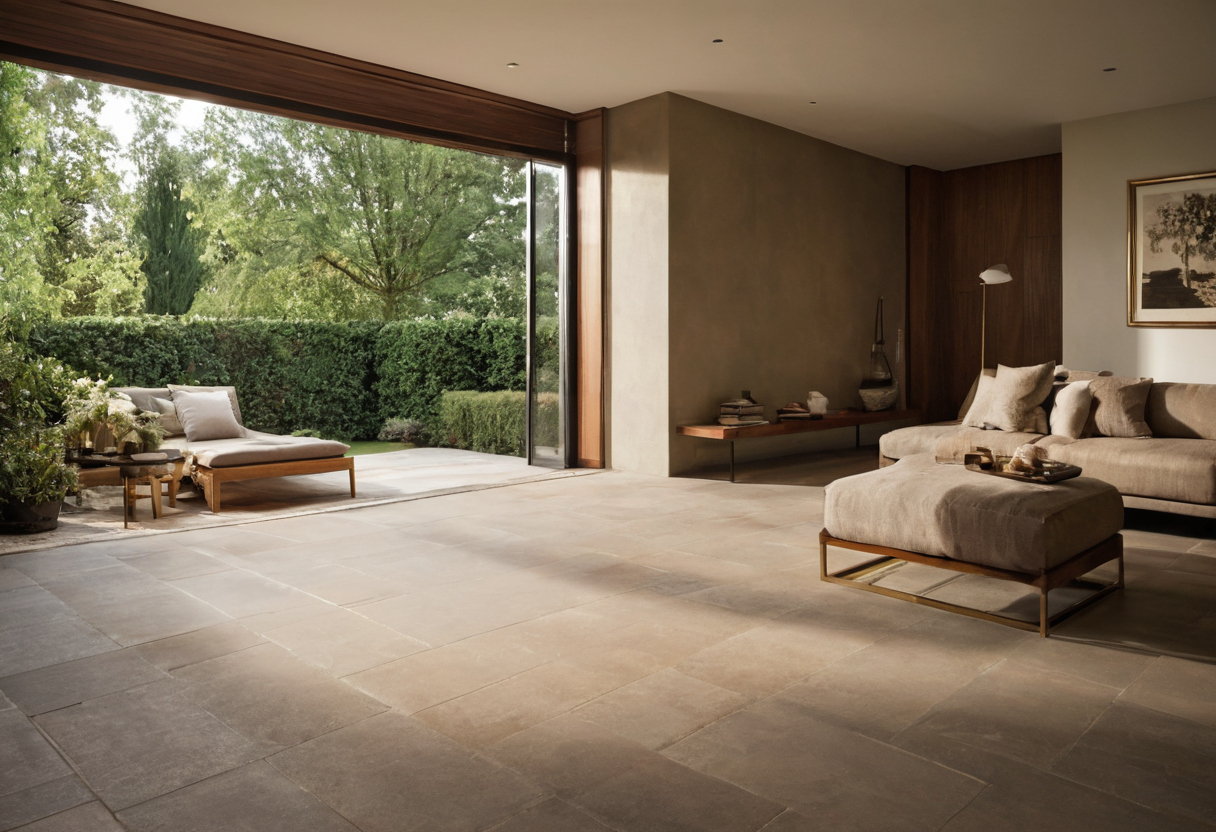
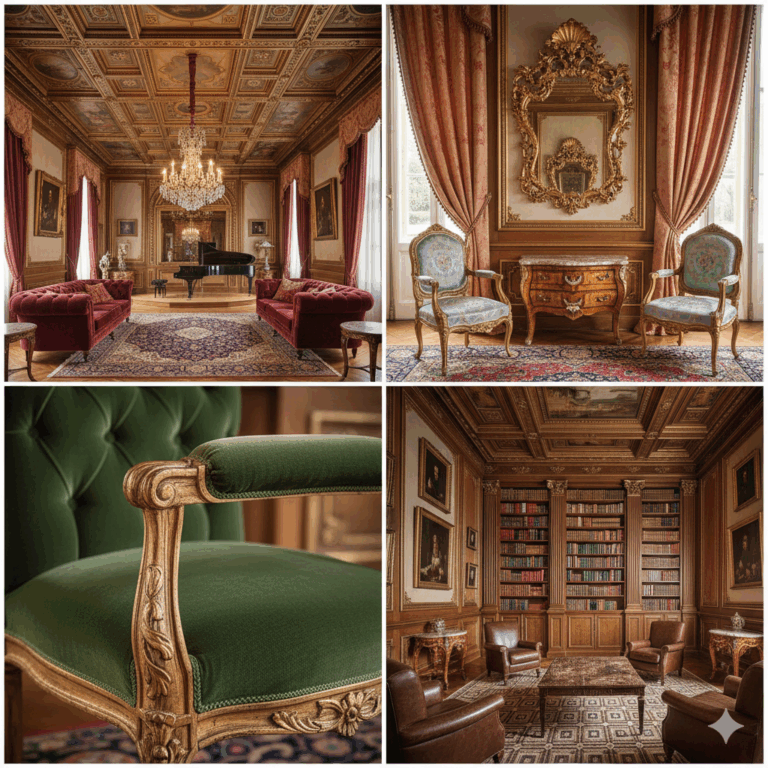
Home interior ideas become useful only when converted into specifications and samples shown with floor, wall, and fixture relationships visible.
Mockups should confirm veining, tone, seams, rug scale, upholstery comfort, handle height, glare, and junctions between materials. The same discipline turns sensory-rich interiors in luxury homes into requirements for touch, acoustics, glare control, and maintenance.
The best villa design brief reduces variation orders, delayed procurement, and decision fatigue
The best villa design brief is not the longest document; it is the one that prevents predictable gaps from becoming variation orders, substitutions, and delayed handover. It should name assumptions, exclusions, approval dates, procurement responsibility, site access restrictions, retained items, and decision makers.
Common gaps should be controlled in writing
Joinery gaps appear when “wardrobes” or “media wall” omits internal layouts, hardware, veneer direction, lighting, ventilation, sockets, and shop-drawing responsibility. Lighting gaps appear when no one owns circuiting, dimming, drivers, control plates, or ceiling coordination. Procurement gaps appear when trade discounts, freight, storage, damage claims, substitutions, and installation supervision are not written into the agreement.
A decision log should record the room, item, drawing reference, sample, price effect, programme effect, approver, and approval date. Sign the design agreement only when every idea has an owner, a document, a deadline, and a route for change.
FAQ
How do I brief an interior designer before a villa renovation?
Prepare the occupancy profile, retained items, existing drawings, photos, budget bands, deadline drivers, approval rules, and decision maker list.
What should be included in full-service interior design services?
Full service should define concept design, layouts, technical drawings, finish schedules, FF&E schedules, procurement support, site coordination, sample approvals, revision limits, and handover support.
How do I compare interior designers near me without choosing only by style?
Compare the same assumed scope, then check fee model, exclusions, procurement terms, consultant coordination, credentials, supplier access, and site-visit allowance.
What is the difference between home interior ideas and a proper design specification?
An idea describes intent. A specification names dimensions, material, finish, supplier, quantity, location, installation method, maintenance expectation, approval status, and cost effect.
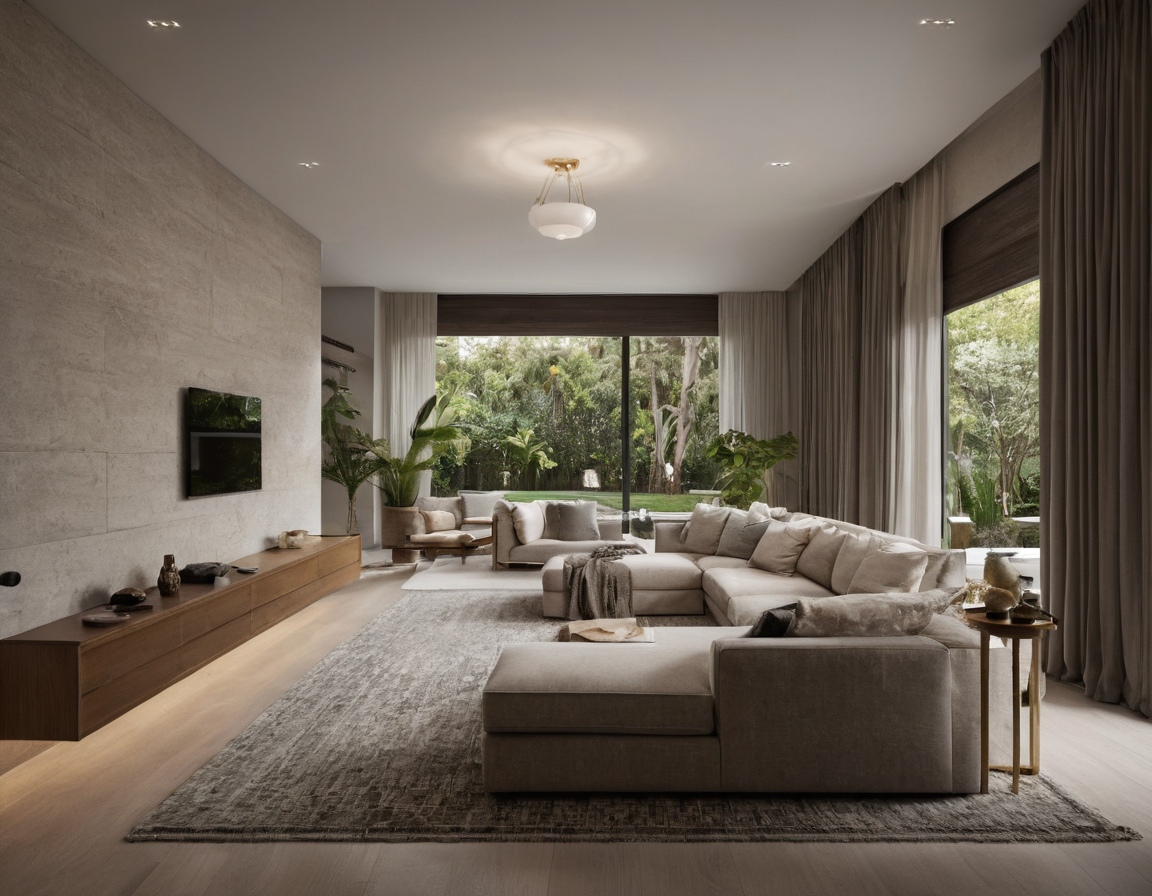
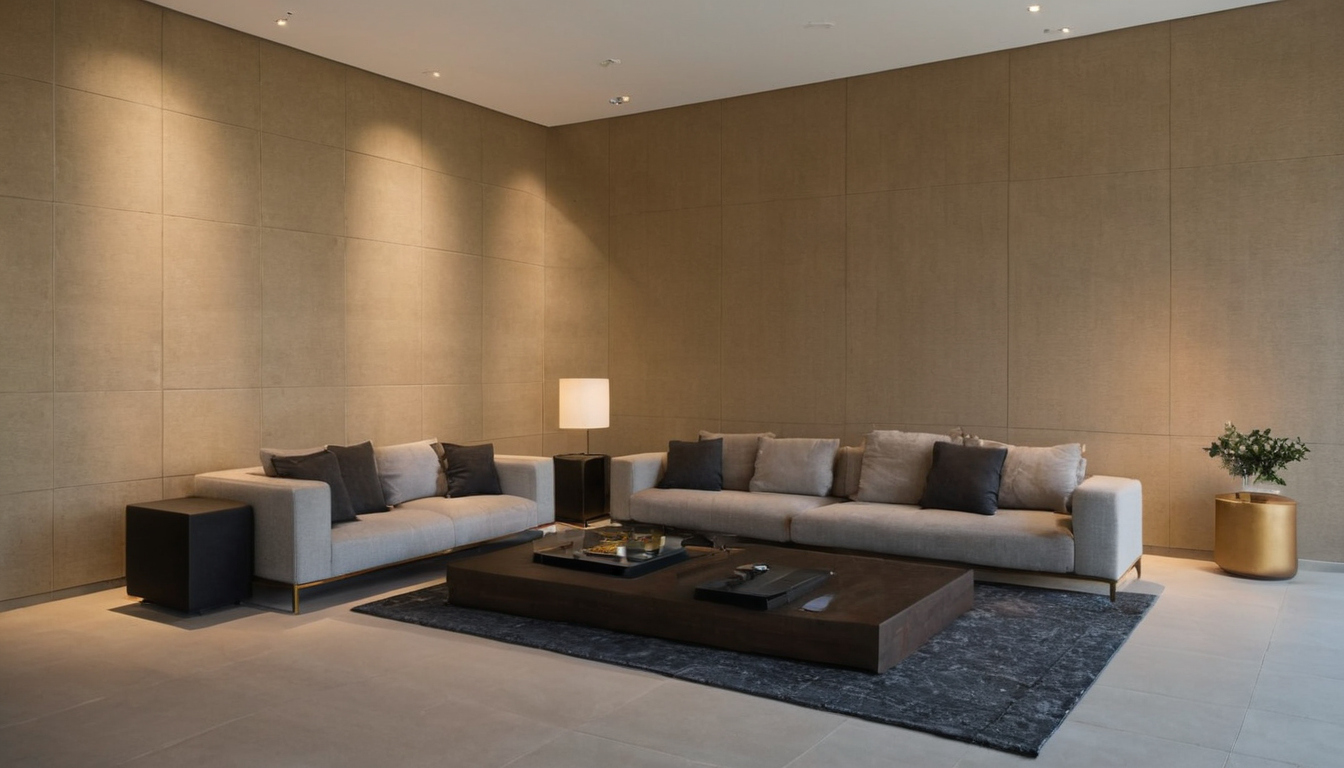
The best villa design brief reduces variation orders, delayed procurement, and decision fatigue shown as an editorial reference for proportion and finish coordination.
Do interior design rules like the 3-5-7 rule or 70-30 rule matter when briefing a luxury villa renovation?
Those rules can help composition, but scope, drawings, samples, procurement, approvals, and change control matter more before work begins.