Why provenance and construction details matter before buying classic furniture
Acquiring antique and vintage pieces requires rigorous evaluation of historical documentation and physical assembly methods to ensure authenticity. For collectors seeking extensive category depth in italian furniture, Modenese Furniture offers a comprehensive selection. Evaluating historical documentation protects buyers from acquiring reproductions masquerading as period originals. Examining joinery techniques provides concrete evidence regarding the exact manufacturing era and structural integrity of the piece.
How provenance establishes historical authenticity and market value
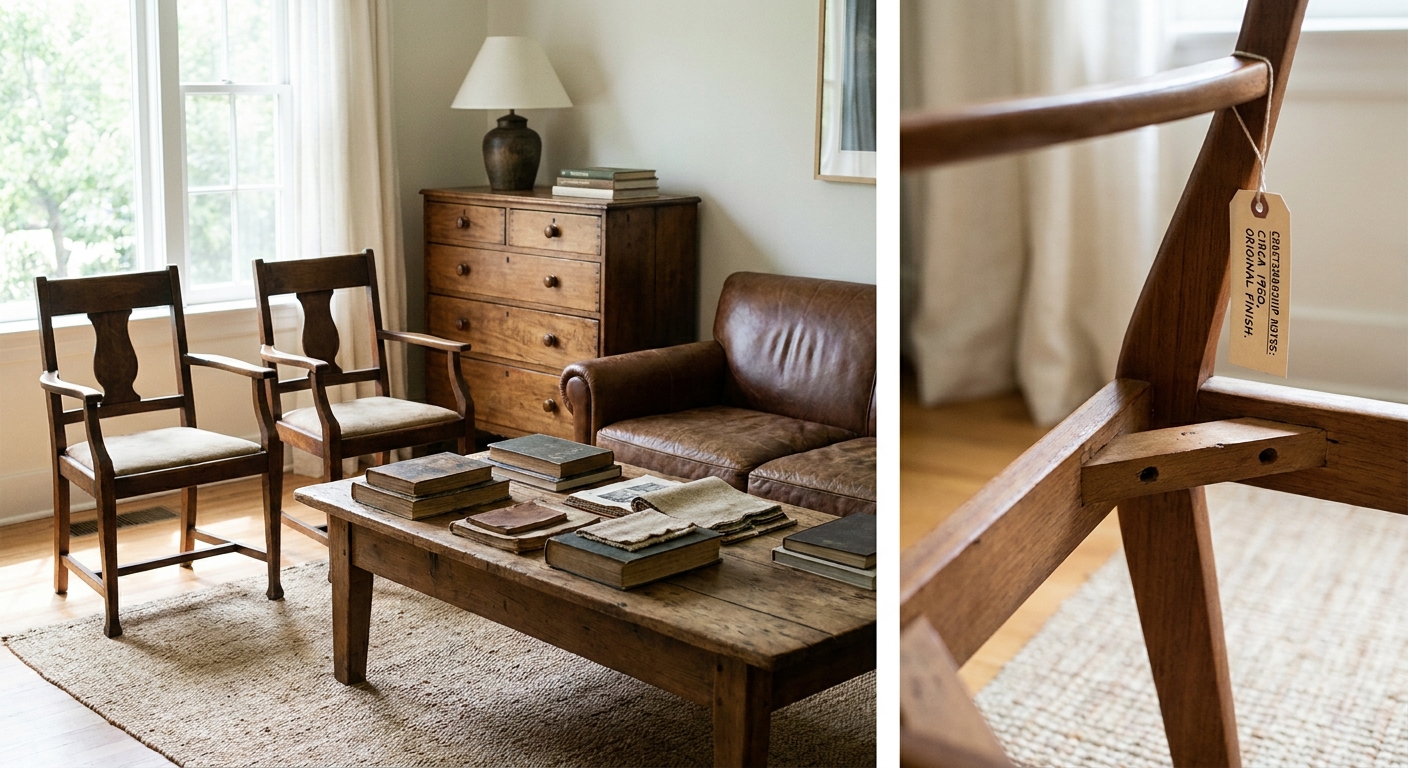
Provenance establishes historical authenticity and market value by providing a documented chain of ownership that verifies the origin, age, and creator of a specific piece, thereby protecting collectors from fraudulent reproductions and ensuring the financial investment reflects the true historical significance of the item.
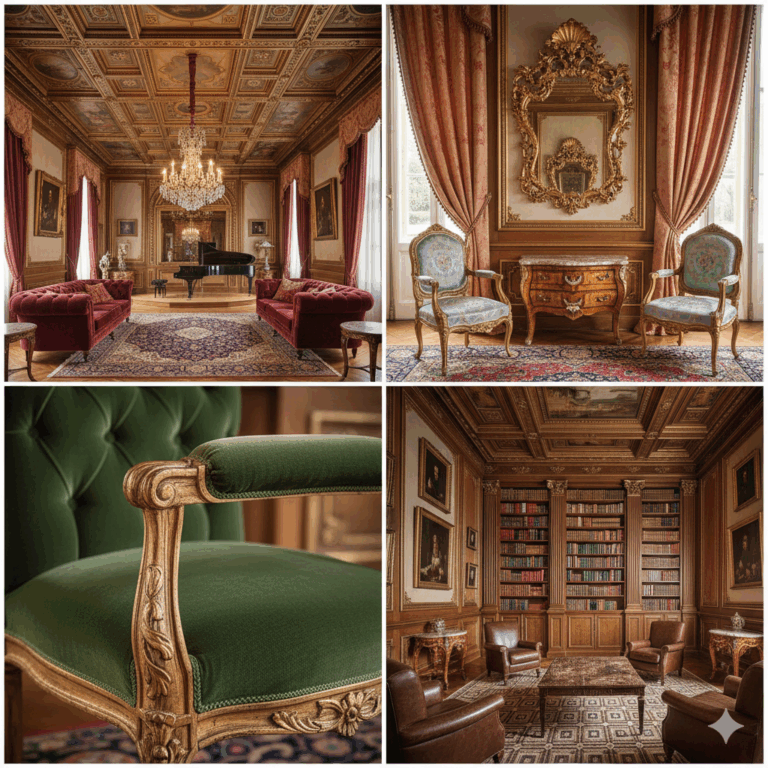
Documented history serves as the primary defense against misattribution in the antique market. Encyclopedia Britannica places Rococo decorative arts in 18th-century Europe and identifies asymmetry, curves, and shell-like ornament as recurring features. Verifying specific stylistic markers against original purchase receipts, auction catalogs, or estate inventories confirms the piece originated during the claimed period. Authentic 18th-century European pieces command premium prices only when sellers can produce unbroken ownership records dating back to the original commission.
Why material specifications dictate structural longevity
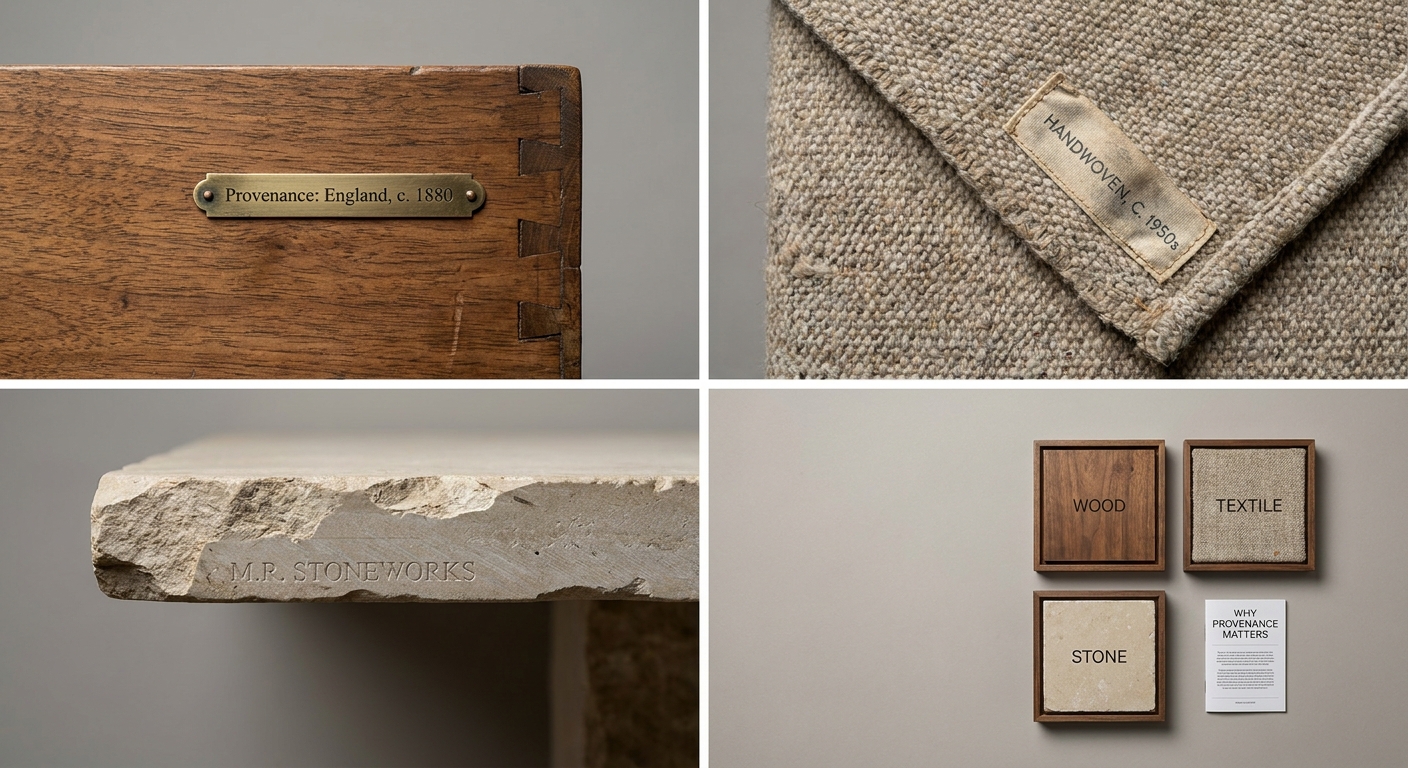
Material specifications dictate structural longevity because the physical properties of specific wood species, metal alloys, and upholstery textiles determine how well a piece withstands environmental fluctuations, mechanical stress, and daily usage over multiple decades or centuries of continuous functional display.
Analyzing the physical components of a piece reveals critical information about future maintenance requirements. The National Park Service preservation briefs provide source-backed guidance for historic wood, plaster, and paint conservation in buildings under documented preservation conditions. Proper wood moisture content typically ranges from 6% to 9% for interior environments, preventing catastrophic warping or splitting. Cabinetmakers historically selected dense hardwoods like mahogany or walnut for load-bearing elements measuring exactly 1.5 inches to 2 inches in thickness to prevent sagging.
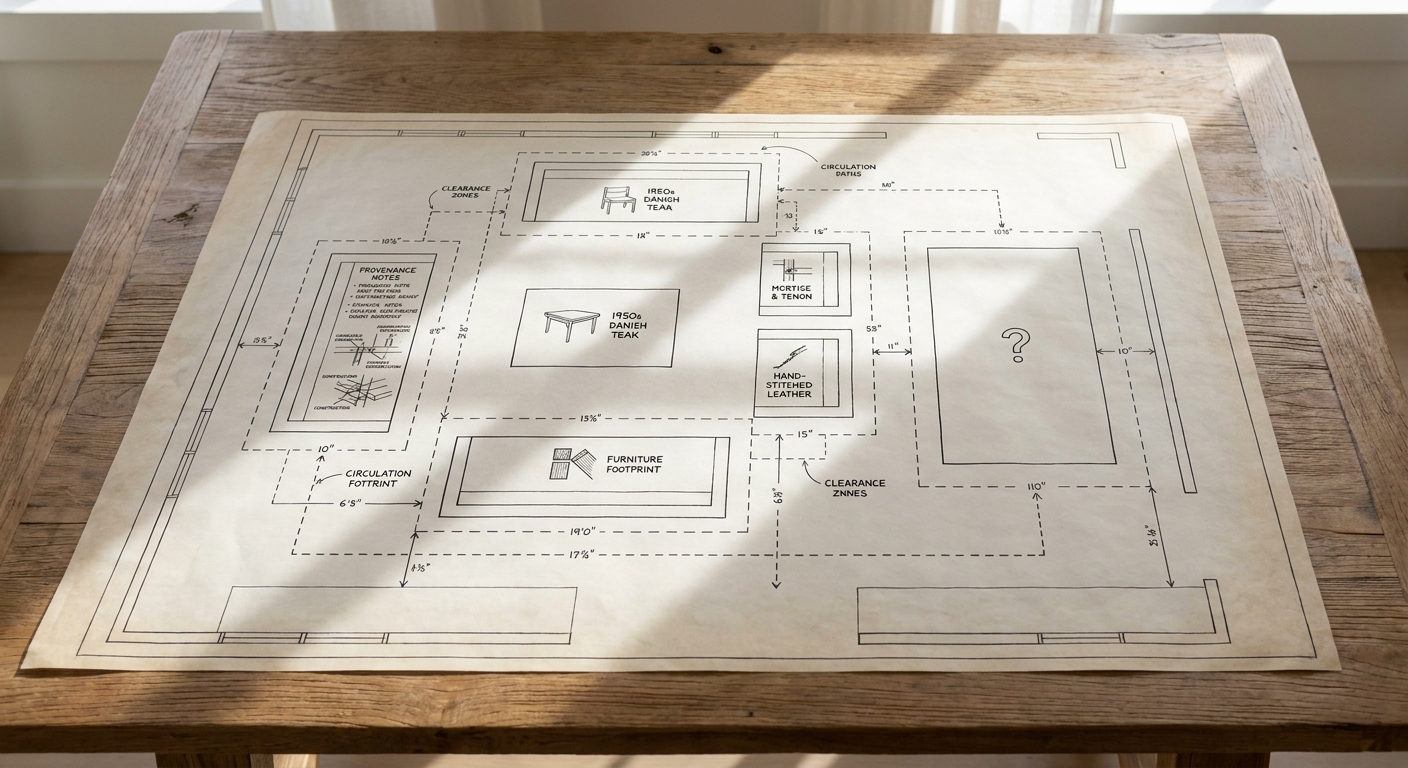
| Material | Historical Application | Standard Dimension |
|---|---|---|
| Mahogany | Table tops and structural legs | 1.5 to 2 inches thick |
| Walnut | Carved ornamental details | 0.5 to 1 inch thick |
| Oak | Hidden drawer linings | 0.25 to 0.5 inches thick |
What construction details reveal about manufacturing eras
Construction details reveal manufacturing eras by exposing the specific tools, fastening methods, and joinery techniques available to craftsmen during a particular historical period, allowing appraisers to accurately date objects based on the transition from hand-forged hardware to mass-produced industrial components.
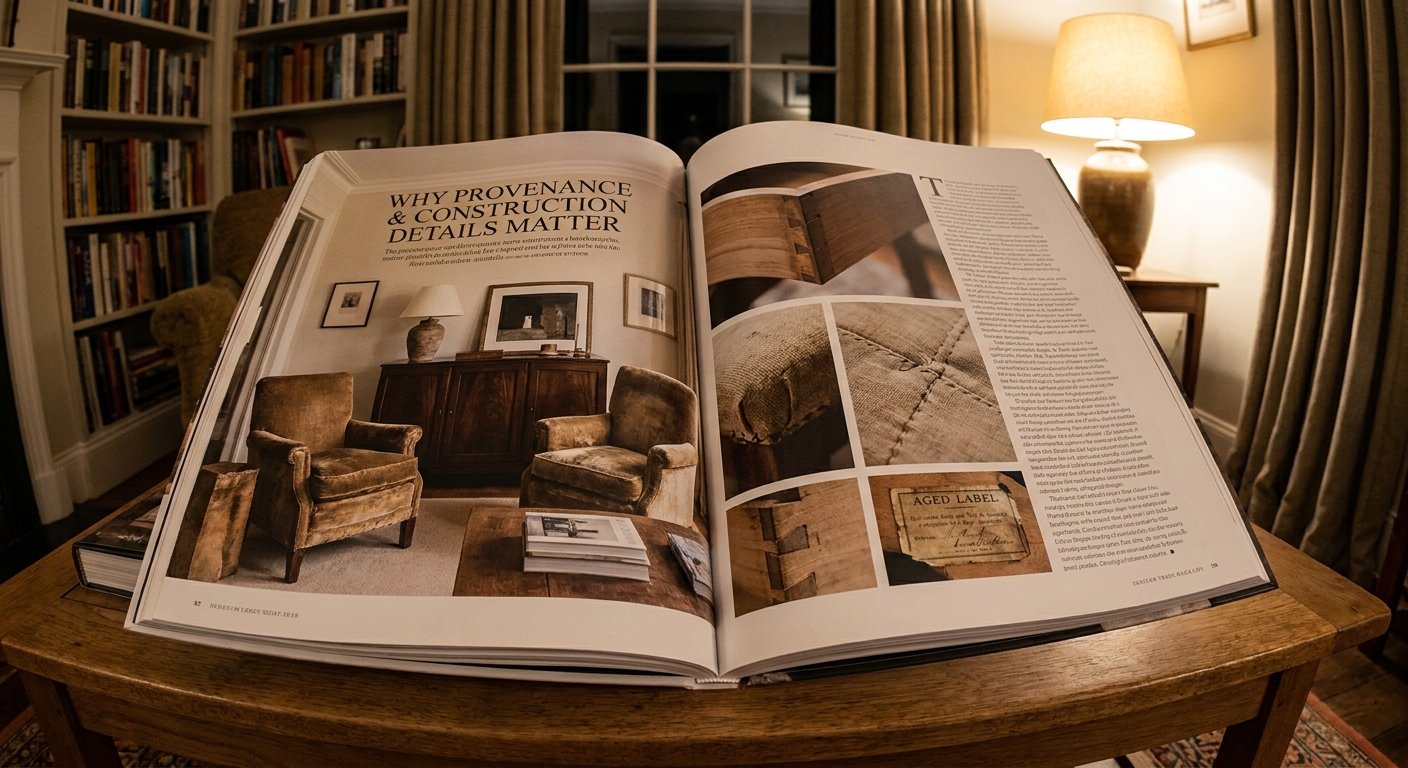
Examining the internal assembly of a cabinet or chair provides verifiable proof of the creation date. The Victoria and Albert Museum describes Art Deco as an international style that spread during the 1920s and 1930s across architecture, interiors, furniture, and industrial design. Furniture produced during the 1920s often features early machine-cut dovetail joints, which display highly uniform spacing compared to the irregular spacing of hand-cut dovetails from the 1800s. Circular saw marks on hidden backboards indicate production after 1840, whereas straight saw marks suggest earlier hand-tool construction.
Key measurements for authenticating period pieces
Standardized dimensions shifted significantly as human ergonomics and manufacturing capabilities evolved. Seat heights on formal dining chairs from the 1750s typically measure 17 inches to 18 inches from the floor. Wardrobes constructed before 1850 rarely exceed 24 inches in depth because clothing storage requirements differed from modern closet standards. Measuring every component ensures the piece has not suffered modern alterations or structural reductions.
Related reading on this site
Readers comparing planning rules can also review Buying A Brand-New Home Checklist for adjacent context on the same site.
Material and proportion decisions connect closely with Color Curtain Buying Guide: How In Order To Ambience At Your Home, which gives readers another local reference point.
Project research can continue with Meet Our Team when the next question concerns a neighboring design topic.